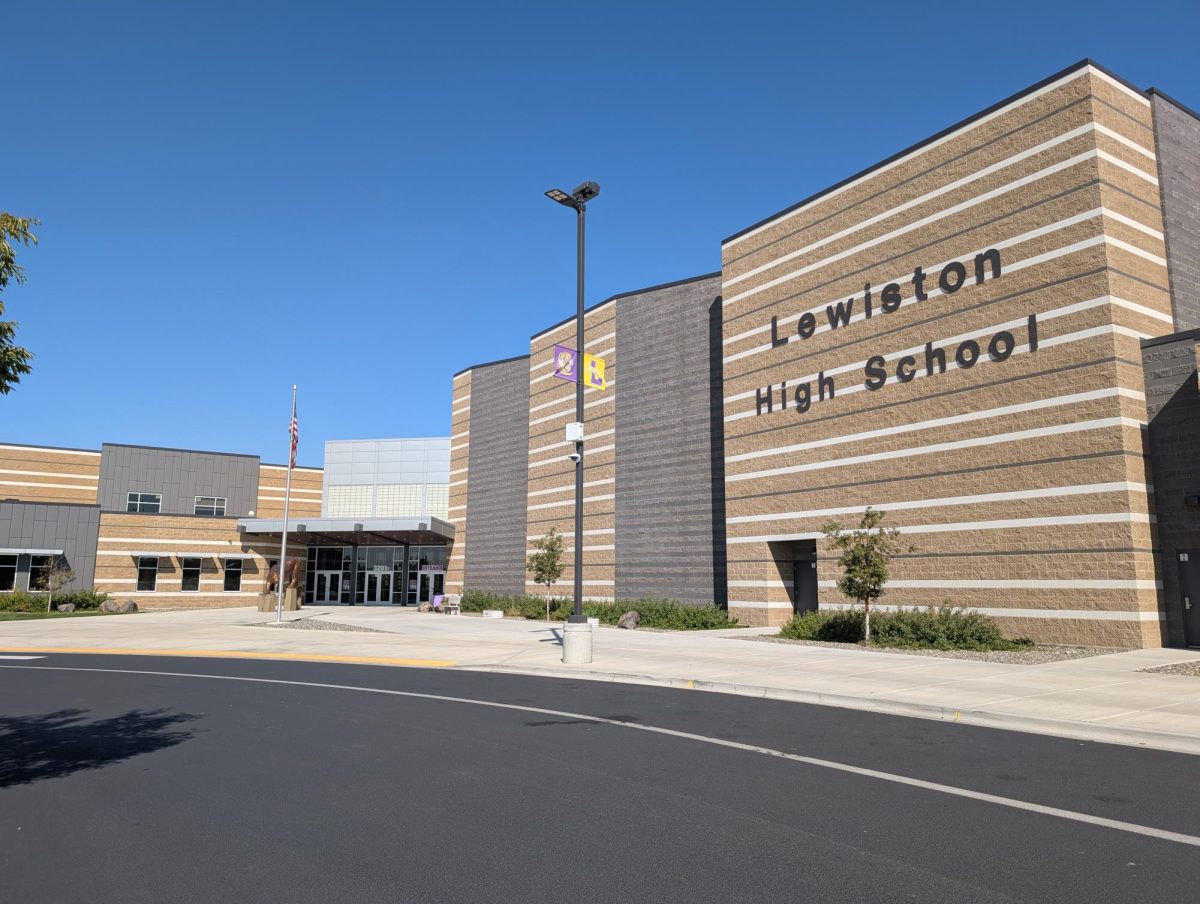
Lewiston, Idaho, known as the gateway to Hells Canyon, outdoor recreation, and its historical significance, has an unexpressed crisis: The rising suicide rates, especially among the youth. This goes hand-in-hand with the need for more accessible mental health care, stronger support systems, and open conversations about emotional well-being.
In small cities in very rural areas where community ties are tight and isolation is inevitable, mental health is constantly being shoved under the rug, along with the need for cheaper and more accessible mental health tools. The lack of such resources helps contribute to Idaho’s, specifically Lewiston’s, suicide rates.
The 2022 Suicide in Idaho Fact Sheet from Southeastern Idaho Public Health reveals that there were 26 suicides in Lewiston and a total of 441 suicides overall in Idaho in the year 2022. Of the 441 suicides, 66.7% were related to firearms, and 18.4% of them were caused by suffocation or hanging. This sheet, compared to the 2017 Suicide in Idaho Fact Sheet from the North Idaho College Sentinel, shows that there were 20 suicides in Lewiston in the year 2017, an increase of 30% from 2017 to 2022. This sharp rise is more than just a statistic. It represents friends, family members, co-workers, and people suffering silently.
What’s even more troubling is the method of these suicides. These aren’t just numbers. They’re indicators of a more significant public health issue: A crisis caused by mental health, supported by uncontrolled gun access and a lack of adequate resources for those in despair.
According to the Idaho Department of Health and Welfare, Idaho, has 1.3 times the national average suicide rate, and in this state, suicide is the ninth leading cause of death. The Idaho Suicide Prevention Coalition (ISPC) 2017 suicide in Idaho Fact Sheet shows that suicide is the second leading cause of death for Idahoans ages 15-34 and males up to age 44. With Lewiston being such a small town with only 34,836 residents, every life matters, especially when it affects the youth.
Between 2012 and 2016, 105 Idaho school children (ages 6-18) died by suicide. Twenty-seven of those deaths were among children aged 14 or younger, according to ISPC. For children and teenagers to feel so trapped, helpless, or defeated that they see no option but to take their own lives is not just heartbreaking. It should be a call to action. These tragic losses affect friends, families, and the overall wellbeing of the community, creating instability.. It is crucial to highlight the need for more extensive mental health support and resources here, along with the need for preventative outreach, and a community-wide commitment to bring awareness and fight the crisis head-on. In Lewiston and communities like it, the silence that surrounds mental health is costing lives and futures.
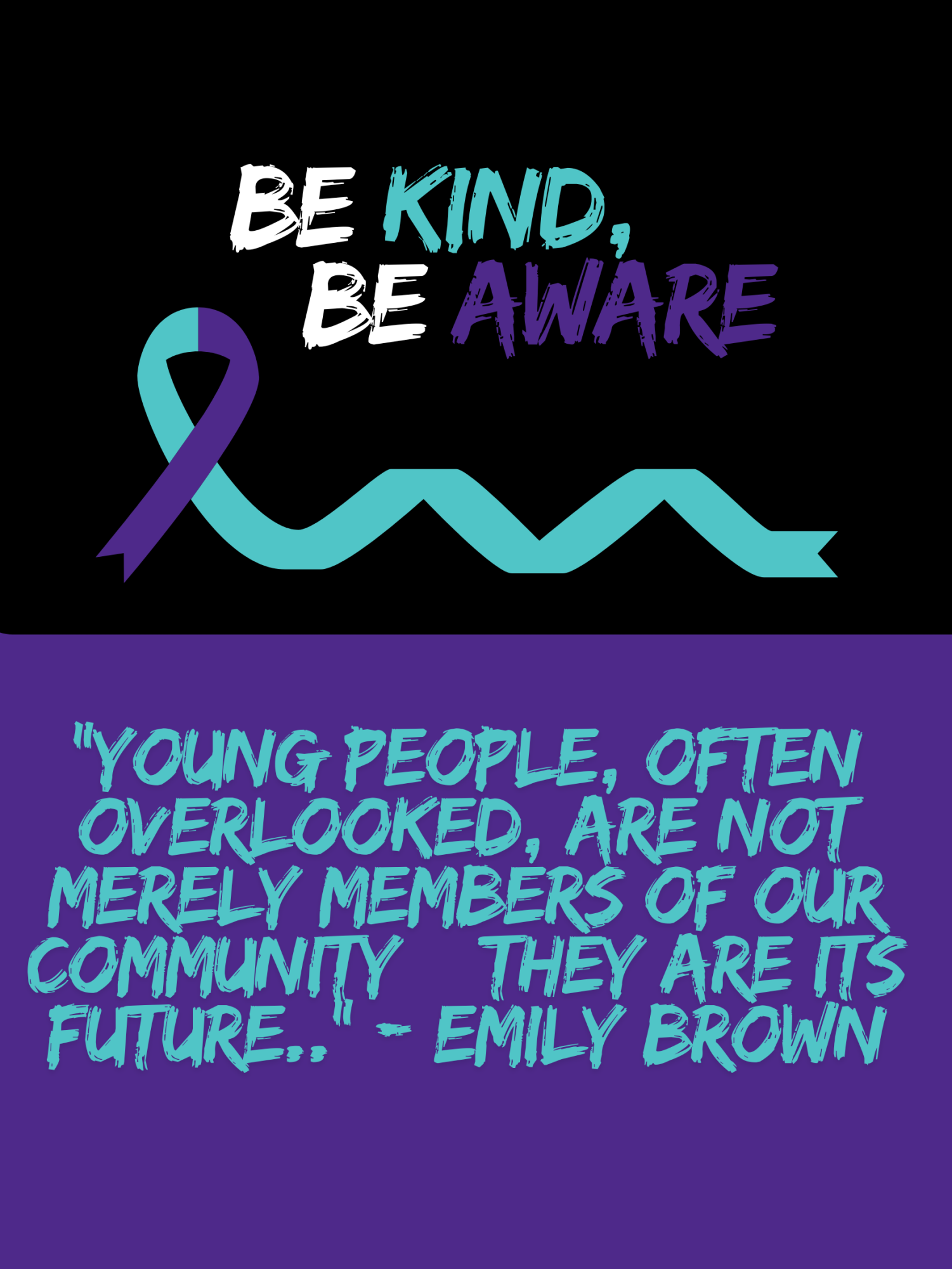
Young people, often overlooked, are not merely members of our community—they are its future. Their minds carry the hopes, dreams, and potential of what tomorrow may and can be. Young lives lost to suicide are not only personal tragedies, but a blow to the future of our community. These are the future leaders, innovators, caregivers, and changemakers whose lives are being cut short by pain that they should never have to endure alone. Without them, there is no future to build toward. Suppose we continue to ignore the mental health crisis among our youth. In that case, we risk losing an entire generation to silence, stigma, lack of new life, and inaction.
As time slowly passes, and the suicide rates increase, the need to speak out and speak up does as well. This should serve as a reminder to be kind to anyone, regardless of age, gender, race, political views, or sexual orientation. You never know what someone is dealing with. So before you say something that can affect somebody, ask yourself: What’s the point of saying this? Does this benefit me or them? If the answer is “there is no point and it doesn’t benefit either” or anything similar, then your next step is simple. Don’t say anything. But if your words would benefit them, say them.
If you or someone you know is struggling, please contact the suicide prevention hotline, its only 3 numbers away: 988Lifeline