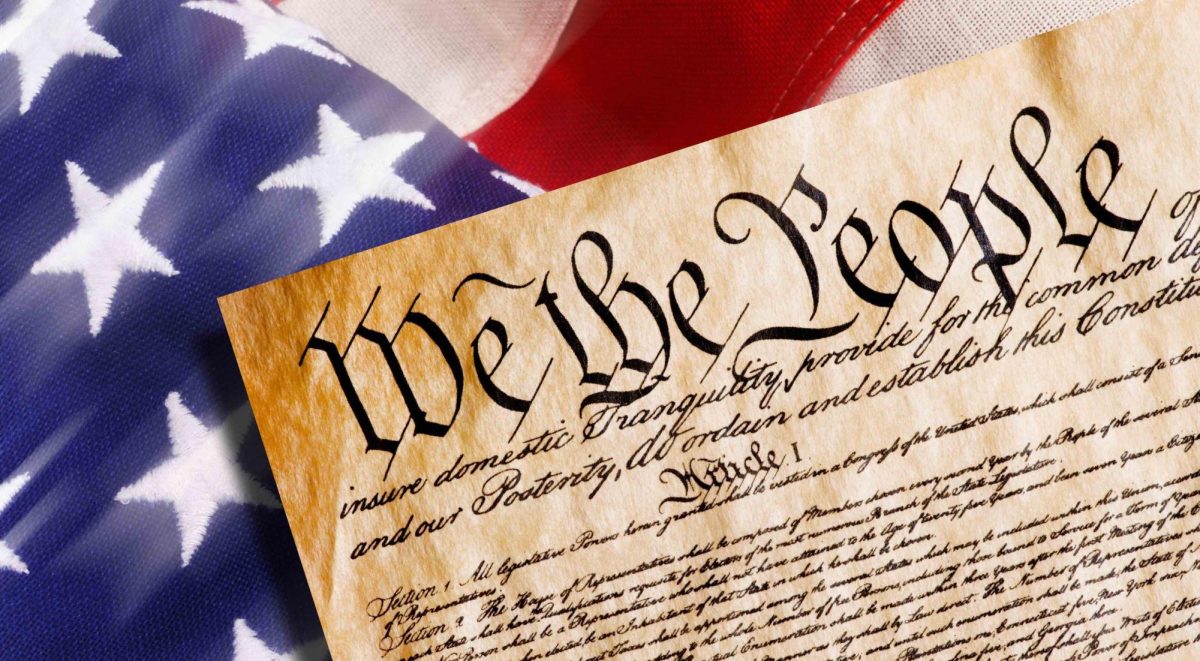
The Constitution is the foundation of America and defines the civil rights of every citizen. Most consider every word vital to ensuring equality and protection for all law-abiding Americans. If any section were to silently disappear, then a huge chunk of everyone’s protection would be compromised.
However, on Aug. 6, 2025, this is exactly what happened. Sections 8-10 of Article 1 were either completely deleted or mostly erased from the online constitution provided by the U.S. government at 11:00 AM EST. These sections outlined what Congress can and can’t do, as well as the limitations of State governments. In a letter sent to Congress, Mark Takano, Representative of California’s 39th Congressional District, expressed “extreme concern regarding the removal of several key sections from the U.S. Constitution,” specifically the website Constitution Annotated, operated by the federal government.
According to WRAL News, the official explanation for the erasure was that faulty code somehow deleted parts of Article 1. This was first reported on X (formerly Twitter) by the account “wesjulieorth”. Although the accident was quickly corrected, with the text returning to the site a few hours later, it led to many questions from Takano and other concerned Americans. Many question whether the incident was due to faulty code or something more sinister. But even if the erasure wasn’t caught, the change would still have to go through the legal process required to amend the constitution. Updates from The Library of Congress and the federal government explained the faulty code, and most questions have been answered. But there is still a blurry line between what’s public knowledge and what’s withheld.
Incidents like this happen occasionally, but thanks to watchful observers, they can be corrected quickly before any true damage is done. If this had not been corrected, it could have led to further controversy and possibly more damage to the website.
Every law-abiding citizen has rights — rights that are inalienable. Although inalienable, those rights can be chipped away slowly if not actively defended.